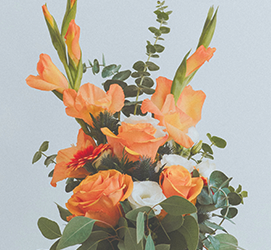
Neighbourhood Favourites: Flowers Loved in [BOROUGH/POSTCODE]
Posted on 12/11/2025
Neighbourhood Favourites: Flowers Loved in [BOROUGH/POSTCODE]
You can tell a London street by its flowers. Step off the bus in [BOROUGH/POSTCODE] and you'll notice it straight away: the scent of lavender drifting from front gardens, the cheerful splash of geraniums along a terrace, roses arching over railings like they own the place. These are the neighbourhood favourites -- the tried, true, and locally loved flowers that thrive in your exact microclimate, on your soil, with your light. This guide brings the best of them together so you can plant with confidence, boost curb appeal, and support wildlife -- right where you live.
In this long-form, human-first guide, we'll break down what grows brilliantly in [BOROUGH/POSTCODE], why it matters, and how to select and care for flowers that feel at home on your street. From low-maintenance perennials to pollinator magnets and balcony-friendly containers, consider this your warm, expert companion. And yes -- a few small stories along the way, because gardens are never just plants. They're people, places, and memories too.
Table of Contents
- Why This Topic Matters
- Key Benefits
- Step-by-Step Guidance
- Expert Tips
- Common Mistakes to Avoid
- Case Study or Real-World Example
- Tools, Resources & Recommendations
- Law, Compliance or Industry Standards (UK-focused)
- Checklist
- Conclusion with CTA
- FAQ
Why This Topic Matters
There's a reason you'll see the same handful of plants over and over in [BOROUGH/POSTCODE]. Local favourites aren't boring -- they're proven. They're reliable performers in your soil, resilient against the typical wind and rain here, and friendly to urban wildlife. Choosing them means your garden is more likely to flourish without constant coaxing. To be fair, nobody has time to battle fussy plants that sulk in clay or burn in full sun.
Neighbourhood Favourites: Flowers Loved in [BOROUGH/POSTCODE] isn't just a nice idea for a blog. It's a practical way to make smarter choices. We're talking better value from your plants, less replanting, fewer disappointments, and more joy. Plus, by aligning your choices with local biodiversity (think bumblebees, butterflies, and birds), you support a healthier green corridor across streets and estates.
One small moment: a client in [BOROUGH/POSTCODE] told us how a simple switch from thirsty bedding to salvias and hardy geraniums transformed her summer. "It just kept flowering," she said, surprised. "I watered less, and the bees came anyway." That's the neighbourhood effect at work.
Key Benefits
Choosing locally loved flowers in [BOROUGH/POSTCODE] brings tangible, everyday benefits:
- Reliability in your microclimate - Plants that thrive in your particular light, wind, and rainfall patterns. Less trial-and-error, more success.
- Lower maintenance - Many local favourites are tough perennials or drought-tolerant once established. Great for busy lives.
- Support for pollinators - Species like lavender, echinacea, catmint, and sedum are long-blooming magnets for bees and butterflies.
- Year-round structure - Mix of evergreen backbone, spring bulbs, and summer bloomers keeps your garden looking alive all year.
- Community cohesion - Shared plant choices create subtle harmony across a street. You'll notice the same tones and textures weaving a neighbourhood thread.
- Improved property value - A well-planned front garden or balcony adds perceived value. Clean, clear, calm. That's the goal.
- Wellbeing boost - Greenery reduces stress; even 10 minutes deadheading or watering can lift your mood. You'll see.
And the intangibles? The smell of sweet peas in the evening. The look of hydrangeas after rain. The small smile when a neighbour asks for a cutting. Tiny things -- but they add up.
Step-by-Step Guidance
Below is a straightforward plan to identify, select, and care for neighbourhood favourites that shine in [BOROUGH/POSTCODE]. Follow it once, and you'll reuse it every season.
1) Understand Your Space
- Light audit: Note where sun falls at 9am, 12pm, and 3pm. Is your front garden shaded by a terrace? Is the balcony blasted by afternoon sun? This matters more than you think.
- Soil type: In much of London, you'll find clay, loam, or rubble-heavy urban fill. Use a basic soil test kit to check pH and texture. Clay holds water; sandy soil drains fast.
- Microclimate: Windy corner? Street canyon effect? Radiated heat from brick? Balconies can be hotter and drier than ground-level plots.
Micro moment: It was raining hard outside that day, and we watched droplets bead on a client's slate wall -- a clear sign of heat retention. The verbena next to it flowered weeks longer. Little clues like that are gold.
2) Spot the True Local Favourites
- Walk the block: Spend 20 minutes observing what's thriving on your street. Take quick photos (front gardens, planters, balconies). Patterns will jump out.
- Ask neighbours: People love sharing what works. Ever tried asking for a small cutting and ended up with a full tray? Yeah, we've all been there.
- Check community gardens: Allotments and pocket parks in [BOROUGH/POSTCODE] are live case studies. If it grows there, it'll likely grow for you.
3) Choose the Right Mix (by Space Type)
Here are well-loved, locally proven categories for [BOROUGH/POSTCODE]. Use them like a menu, not a rulebook.
- Front gardens (sunny): Lavender (Lavandula angustifolia), Salvia 'Caradonna', Hardy geraniums (Geranium Rozanne), Echinacea purpurea, Sedum (Hylotelephium), Verbena bonariensis, Nepeta (catmint), Roses (esp. shrub roses like 'The Fairy'). Flower-rich, tough, and fragrant.
- Front gardens (shady): Hellebores, Heuchera, Ferns, Hydrangea macrophylla, Foxglove (Digitalis), Alchemilla mollis. Bold foliage, spring drama.
- Balconies & containers: Dwarf lavender, Pelargoniums, Trailing bacopa, Million bells (Calibrachoa), Hardy herbs (thyme, rosemary), Dwarf buddleia, Heuchera in pots.
- Wildlife-friendly: Cornflowers (Centaurea cyanus), Cosmos, Calendula, Sunflowers (dwarf for baskets), Single-flowered dahlias, Scabiosa, Knautia.
- Bulbs for seasonal colour: Snowdrops, Crocus, Narcissus 'Tete-a-tete', Tulips, Alliums, Nerines (for autumn), and Anemone blanda.
4) Design for Long Bloom and Structure
- Layering: Use a backbone of evergreen structure (e.g., box alternatives like Ilex crenata or pittosporum), mid-height perennials for colour, and low groundcovers to knit it all together.
- Succession: Aim for something in bloom spring to autumn. Bulbs -> early perennials -> summer stars -> late-season seedheads for winter interest.
- Colour strategy: To be fair, colour is personal. But keeping to 2-3 main shades + one accent looks cohesive on a city street.
5) Planting the Neighbourhood Favourites, Step by Step
- Prepare the soil: Remove weeds, fork in well-rotted compost. If you can, avoid peat-based composts; go for peat-free alternatives.
- Soak pots before planting: Let roots drink. It reduces transplant shock.
- Dig, place, and backfill: Plant at the same depth as in the pot. Firm gently; don't compact too hard.
- Water in well: A deep soak settles soil around roots.
- Mulch: Add 3-5 cm of mulch to conserve moisture and suppress weeds.
Quick aside: One neighbour in [BOROUGH/POSTCODE] swapped sporadic watering for a deep soak once a week. The difference? Salvias stopped sulking, and the catmint doubled in size. Simple, but effective.
6) Care Calendar for [BOROUGH/POSTCODE]
- Late winter: Cut back dead perennials, mulch, start seeds indoors (sweet peas, cosmos). Watch for frost.
- Spring: Plant hardy perennials; feed with an organic, balanced fertiliser. Stake taller varieties early.
- Summer: Water deeply in dry spells, deadhead regularly. Pinch back leggy annuals.
- Autumn: Plant spring bulbs; divide overgrown perennials; add compost.
- Winter: Leave some seedheads for structure and wildlife. Plan, dream, repeat.
Expert Tips
Years of working across London gardens have taught us a thing or two. Here's our best advice for growing Neighbourhood Favourites: Flowers Loved in [BOROUGH/POSTCODE].
- Choose single-flowered forms for pollinators: Single dahlias, open roses, scabious -- easier access to nectar and pollen.
- Go vertical: In tight spaces, try climbers: clematis, jasmine, or fragrant sweet peas up obelisks. They lift the eye and create privacy.
- Group in threes: Plant in odd numbers and repeat across the border for rhythm. Your garden will look professionally designed without trying too hard.
- Mix textures: Pair airy Verbena bonariensis with bold-leafed heuchera. The contrast brings life, even in small beds.
- Water wisely: Early morning is best; evening can invite slugs. In heatwaves, a slow soak beats frequent sprinkles.
- Feed the soil, not just the plants: Annual mulch and occasional compost tea keep roots happy. Healthy soil = fewer problems.
- Embrace seedheads: Echinacea and alliums look sculptural in winter and feed birds. Don't rush to tidy.
- Trial a micro-patch: Not sure if a plant will vibe with your space? Try a 30cm test corner first. Low risk, high learnings.
A tiny story: We tucked three modest heucheras into a bleak north-facing strip in [BOROUGH/POSTCODE]. A month later, the owner messaged: "They glow. I didn't think shade could feel... cheerful." It's the small wins that keep us going.
Common Mistakes to Avoid
- Planting for Instagram, not for your site: Those Mediterranean succulents looked great on holiday. In a windy [BOROUGH/POSTCODE] balcony? Maybe not.
- Overwatering: Especially in containers. Soggy roots lead to rot. Check soil before you water.
- Ignoring mature size: Tiny now, jungle later. Read labels -- then give a bit more space.
- Skipping mulch: It's your easiest win for moisture retention and fewer weeds. Don't skip it.
- Too many colours: It gets noisy fast. Limit the palette for calm impact.
- Buying problem plants: Avoid invasive or banned species (more on laws below). Stick to reputable nurseries.
Truth be told, we've all bought something we knew wasn't right. The trick is learning quickly and moving on. Gardens forgive.
Case Study or Real-World Example
Project: A 5m x 1.5m front border in [BOROUGH/POSTCODE], full sun, heavy clay. The brief: long-season colour, low maintenance, wildlife-friendly, classic London charm.
Plant palette:
- Lavender hedge (front edge) for scent and pollinators
- Geranium 'Rozanne' weaving through for long bloom
- Salvia 'Caradonna' for upright spires and depth
- Echinacea purpurea for late-summer wow
- Allium bulbs for spring punch
- Verbena bonariensis for height and movement
What we did: Double-dug to break compacted clay, added 5 cm of compost, and finished with a 3 cm mulch. We installed a simple soaker hose (on a timer) used once weekly in summer.
Result: From April to October, the bed never looked bare. Bees were constant. Maintenance? 10 minutes a week: deadheading, a quick tidy, a smile with the neighbour who asked for Verbena seeds. On a damp July evening, the lavender fragrance practically slowed time. Lovely.
Tools, Resources & Recommendations
These are the go-to tools and references we recommend for gardeners in [BOROUGH/POSTCODE]. Nothing flashy -- just what works.
Essential Tools
- Hand fork and trowel (sturdy, comfortable grip)
- Bypass secateurs (keep them sharp; it makes all the difference)
- Watering can with rose + lightweight hose
- Kneeler pad or knee-savers for borders
- Soil test kit (pH and texture)
- Compost bin or bags for green waste
Recommended Suppliers & References
- RHS Plant Finder (for checking hardiness and care)
- Local independent nurseries in [BOROUGH/POSTCODE] (ask for peat-free options)
- Trusted UK seed companies for pollinator-friendly mixes
- Met Office (frost dates and heatwave alerts)
- Thames Water or your water company (hosepipe ban updates and waterwise tips)
- Royal Horticultural Society advice pages (practical care guides)
- Local council pages for community gardens, compost schemes, and green waste
Plant Shortlist: Neighbourhood Favourites for [BOROUGH/POSTCODE]
- Sun-lovers: Lavender, Salvia, Echinacea, Gaura, Verbena bonariensis, Sedum (Hylotelephium), Rudbeckia 'Goldsturm', Nepeta, Achillea
- Shade-charmers: Hellebores, Heuchera, Ferns, Astrantia, Foxgloves, Hydrangeas, Brunnera
- Container heroes: Pelargoniums, Calibrachoa, Bacopa, Dwarf buddleia, Herbs (thyme, rosemary, basil in summer), Dwarf grasses
- Biodiversity boosters: Scabiosa, Knautia, Cosmos, Calendula, Single dahlias, Cornflowers, Sunflowers (dwarf), Wild marjoram
Law, Compliance or Industry Standards (UK-focused if applicable)
Gardening in [BOROUGH/POSTCODE] isn't just about taste; it's about doing things the right way. Here are the essentials to keep you safe and compliant:
- Wildlife and Countryside Act 1981: It's illegal to plant or cause to grow certain invasive species in the wild. Avoid listed plants (e.g., Japanese knotweed). Always check before buying.
- Invasive species controls: DEFRA and the Non-Native Species Secretariat publish guidance. When in doubt, choose native or well-behaved garden varieties.
- Plant Passporting: UK nursery stock should comply with plant health regulations. Buy from reputable suppliers to reduce pest/disease risks.
- Peat use: The UK is moving away from peat in horticulture to protect peatlands. Opt for peat-free composts -- better for the planet and increasingly excellent in quality.
- Water restrictions: Hosepipe bans can apply during dry spells (check with Thames Water or your local provider). Install water butts and drip irrigation to stay efficient and compliant.
- Waste disposal: Use council green waste schemes or compost at home. It's illegal to dump green waste in public spaces.
- High hedges & sightlines: If you're planting boundaries, be mindful of neighbours' light and line of sight. Local councils can intervene under the Anti-social Behaviour Act (high hedges provisions).
- Front garden surfaces: If altering hard surfaces, consider permeable materials to reduce run-off. Some changes require consent under local planning rules.
One more thing: avoid collecting wild plants or seeds from protected sites. Support biodiversity by buying ethically sourced plants or swapping cultivated cuttings with neighbours. Easy win.
Checklist
Use this quick checklist to plan and plant Neighbourhood Favourites: Flowers Loved in [BOROUGH/POSTCODE] without the faff.
- Identify sun, shade, and wind patterns
- Test soil pH and texture; amend with compost
- Shortlist plants proven to thrive locally
- Plan structure: evergreen, perennials, bulbs
- Buy peat-free compost and mulch
- Plant in groups of 3+ and repeat for rhythm
- Install simple irrigation or set a watering schedule
- Deadhead weekly; feed lightly in spring
- Leave seedheads for winter interest and wildlife
- Review what worked, swap cuttings with neighbours
Conclusion with CTA
Neighbourhood Favourites: Flowers Loved in [BOROUGH/POSTCODE] are more than a trend. They're the shared language of a place -- the lavender hedges that greet you after work, the geraniums that refuse to quit in August, the snowdrops that whisper new beginnings in February. When you plant with the neighbourhood in mind, you plant for resilience, for beauty, and for community.
Whether you're refreshing a balcony or reimagining a front garden, start small and local. Ask next door. Walk the block. Choose plants that already love your streets. You might not expect it, but within a season or two, you'll look back and think, "It wasn't just a garden. It was home."
Get a free quote today and see how much you can save.
And whatever you grow -- may it be generous, fragrant, and joyfully yours.
FAQ
Which flowers are the most reliable in [BOROUGH/POSTCODE] for beginners?
Start with lavender, hardy geraniums (like 'Rozanne'), catmint, salvia 'Caradonna', and dwarf buddleia. They're forgiving, long-blooming, and beloved on London streets.
What's the easiest way to make a small front garden look put-together?
Pick 2-3 colours, repeat plants in groups of three, and add a low hedge or evergreen structure for winter. A simple gravel path or stepping stones helps too.
How do I support pollinators without a big garden?
Use window boxes or a couple of containers with nectar-rich plants: scabiosa, single dahlias, thyme, and lavender. Leave a shallow water dish with pebbles.
Can I grow roses in [BOROUGH/POSTCODE] if my garden is windy?
Yes -- choose tough shrub roses rather than climbers and give them a windbreak (hedge or trellis). Mulch well and water deeply until established.
What flowers do well on a hot, south-facing balcony?
Pelargoniums, dwarf lavender, verbena (annual), calibrachoa, bacopa, and herbs like rosemary and thyme. Use larger containers and water-retentive, peat-free compost.
Is it okay to plant exotic species?
Absolutely, as long as they're non-invasive and not restricted. Combine with native or wildlife-friendly flowers to support local ecosystems. Check DEFRA guidance if unsure.
How often should I water in summer?
Deeply once or twice a week is better than daily splashes. Check the first knuckle of soil; if dry, water. Follow any local hosepipe restrictions.
What's a low-maintenance plan that still looks great year-round?
Evergreen structure (pittosporum or Ilex crenata), catmint, hardy geranium, salvia, echinacea, plus spring bulbs. Mulch annually, deadhead weekly in summer.
Do I need to feed my plants?
Feed lightly in spring with a balanced organic fertiliser. Mostly, focus on soil health: compost and mulch. Healthy soil reduces the need for frequent feeding.
How do I prevent slug damage without harsh chemicals?
Water in the morning, use copper bands on pots, encourage predators (frogs, birds), and try wildlife-safe ferric phosphate pellets if needed. Plant less tasty options like hardy geraniums.
What about shade -- can it still be colourful?
Yes. Hellebores, heuchera, astrantia, foxgloves, hydrangeas, and brunnera give rich colour and texture. In shade, foliage is your canvas -- think layers and contrast.
How can I identify what's a "neighbourhood favourite" in my exact street?
Take a 20-minute walk, note repeat performers, ask neighbours where they buy plants, and visit local community gardens. If a plant thrives at three houses, it'll likely thrive at yours.
Are peat-free composts good enough now?
Yes. Modern peat-free blends are excellent for most situations. You may need to adjust watering slightly, but they're better for the environment and widely recommended.
When's the best time to plant?
Spring and early autumn are ideal in [BOROUGH/POSTCODE], when soil is workable and temperatures are milder. Avoid heatwaves and waterlogged winter spells.
Can I grow tall flowers without staking?
Choose naturally sturdy varieties (salvia, rudbeckia) or plant in sheltered spots. For tall, airy plants like verbena, early and discreet staking works wonders.
What should I avoid planting due to UK restrictions?
Avoid invasive species listed by DEFRA and on the Wildlife and Countryside Act schedule. Japanese knotweed is the big one -- never plant or dispose of it casually.
How do I keep a cohesive look across a terraced street?
Borrow from neighbours' palettes: repeat a lavender hedge, echo their rose tones, or match container colours. Shared patterns create a calm, connected streetscape.
Any quick win for instant impact before guests arrive?
A pair of matching containers by the door with pelargoniums and trailing bacopa, fresh mulch on beds, and a quick sweep. Ten minutes. Big difference.
What if I only have time once a week?
Prioritise watering, deadheading, and a 5-minute tidy. Choose resilient perennials and mulch well. You'll be surprised how far that weekly rhythm takes you.
Neighbourhood Favourites: Flowers Loved in [BOROUGH/POSTCODE] -- plant local, grow happy. The rest has a way of taking care of itself.


Latest Posts
Wedding Flowers at [LANDMARK]: Local Ideas for Stunning Arrangements
Neighbourhood Favourites: Flowers Loved in [BOROUGH/POSTCODE]
Guide to Elegant Orchid Upkeep and Growth